Workplace wellbeing
Sedentary Work in the UAE: How HR Can Get Desk Teams Moving
12 October 2026 · 8 min read
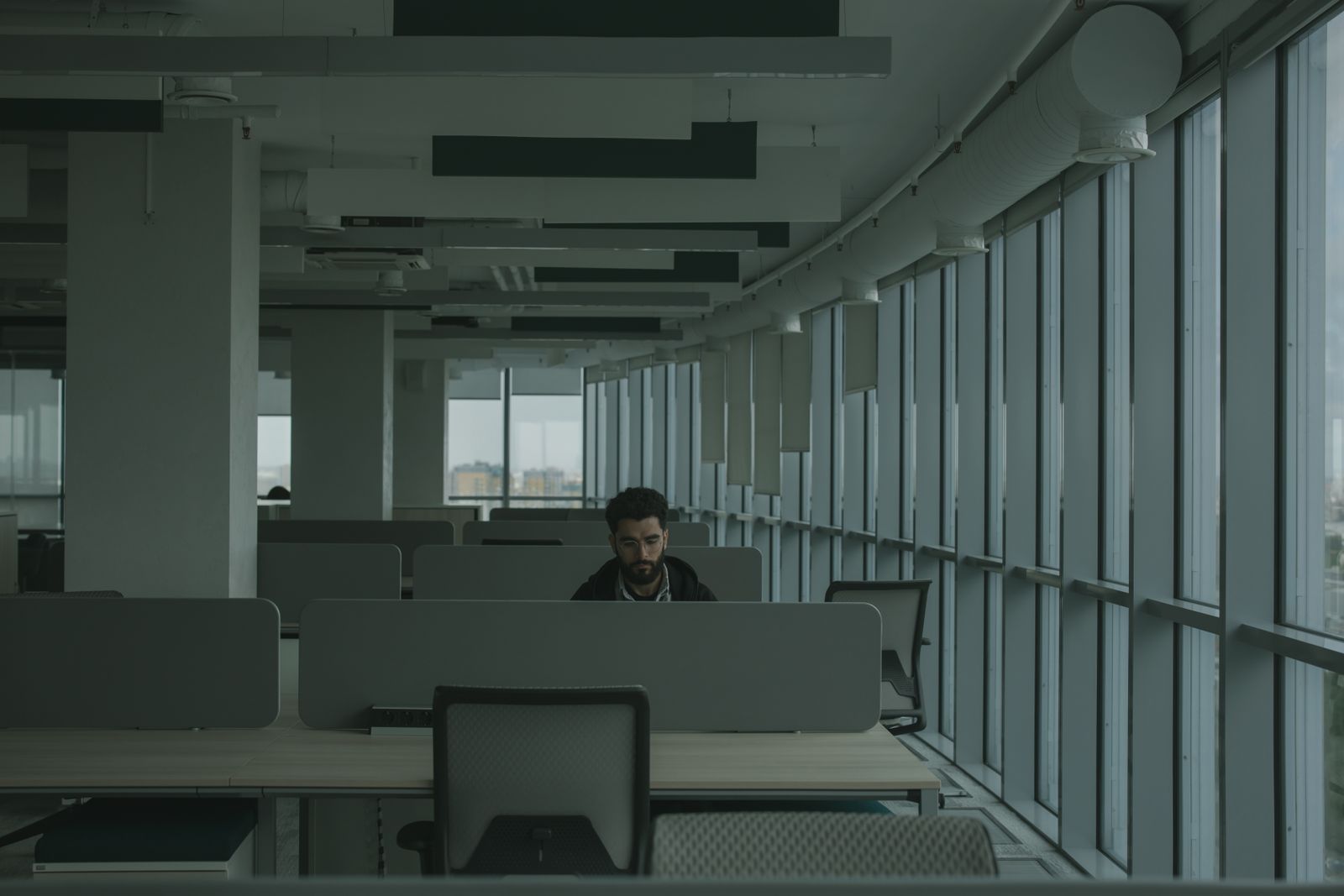
Most office jobs in Dubai look physically harmless. Nobody lifts heavy loads, nobody works on scaffolding, and the air conditioning is always on. Yet the typical desk day, with hours of meetings, screens and commuting stacked back to back, carries an occupational health risk that rarely appears on an HR dashboard until it shows up as absence, reduced focus or a resignation: the body simply isn't moving.
October is a good moment to look at this honestly. The heat is easing, the Dubai Fitness Challenge returns from 31 October to 29 November for its 10th edition, and many teams are heading into the busiest quarter of the year. This guide looks at what the evidence says about sedentary work and musculoskeletal health, why it matters for workplace wellbeing in the UAE, and what companies can realistically do about it, all year round rather than for one month.
What long hours at a desk actually do to the body
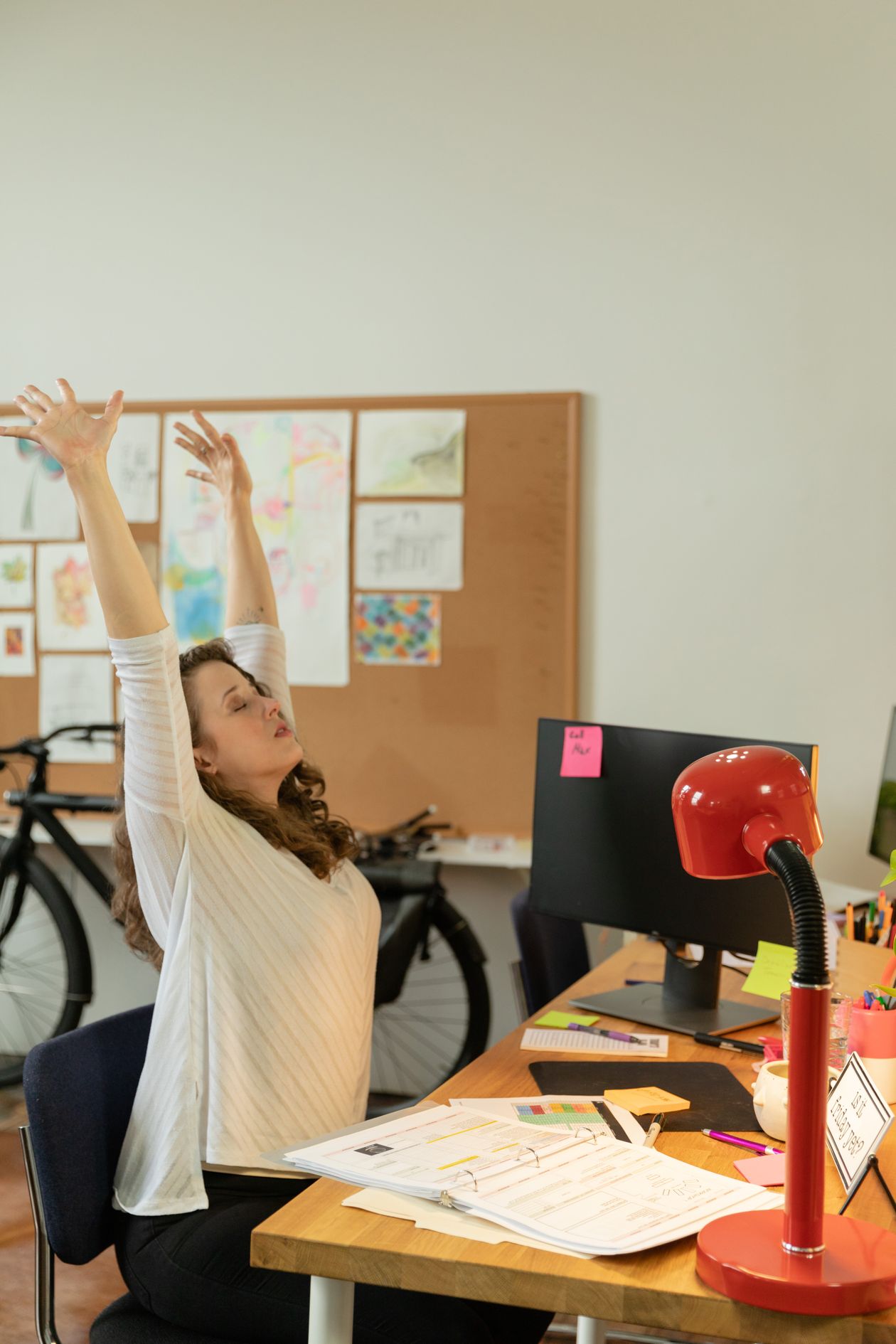 A two-minute stretch at the desk breaks up long periods of static sitting.
The global picture is not encouraging. According to the World Health Organization, 31% of adults worldwide, around 1.8 billion people, did not reach recommended levels of physical activity in 2022. That share rose by about five percentage points between 2010 and 2022, and the WHO projects it could reach 35% by 2030 if the trend continues. The recommendation itself is modest: at least 150 minutes of moderate-intensity activity a week, or 75 minutes of vigorous activity.
The stakes are significant. The WHO notes that people who are insufficiently active face a 20% to 30% higher risk of death than those who are sufficiently active, and that higher sedentary time in adults is associated with cardiovascular disease, type 2 diabetes and some cancers. Its guidance is clear: all age groups "should limit the amount of time being sedentary," and any amount of activity is better than none.
Then there is the musculoskeletal side, which is where office work shows up most directly. The WHO estimates that around 1.71 billion people live with musculoskeletal conditions, the largest contributor to years lived with disability worldwide. Low back pain is the single leading cause of disability in 160 countries, and the WHO identifies it as the main reason people leave the workforce early. A study published in The Lancet Rheumatology in 2023 estimated that 619 million people had low back pain in 2020, a figure projected to reach 843 million by 2050. The same research linked at least a third of the disability burden from back pain to factors including occupational exposures, smoking and excess weight.
The European Agency for Safety and Health at Work (EU-OSHA) has reviewed the specific effects of prolonged static sitting at work and links it to back pain, neck and shoulder disorders, and problems in the upper and lower limbs. In the UAE, doctors interviewed by Khaleej Times have warned about "tech neck," the strain caused by bending the head towards screens for long periods. They explained that every 15 degrees of forward tilt roughly doubles the load on the neck, and suggested resetting posture and stretching every 30 minutes.
Why this deserves a place on the HR agenda in the UAE
For HR and People & Culture teams, three things make sedentary work more than an individual lifestyle question.
It affects people in their prime working years. The WHO points out that musculoskeletal conditions often hit during peak earning years and drive costs well beyond healthcare, including absenteeism and lost productivity. Back and neck pain rarely cause dramatic sick leave. More often they show up as quiet presenteeism: people at their desks, distracted by discomfort, sleeping badly and finishing the day drained.
Knowledge gaps are real, even among health professionals. A 2024 study in the Middle East Journal of Rehabilitation and Health Studies surveyed 380 doctors and nurses in the northern Emirates. Over 90% reported a musculoskeletal disorder in the previous 12 months, most often in the lower back (56%) and neck (39%). The researchers found these disorders were associated with inadequate ergonomic knowledge and practice, and that staff with no workplace ergonomics training were far more likely to have inadequate knowledge. These were healthcare workers, not office staff, but the lesson travels: if people who care for bodies professionally lack ergonomics training, desk-based teams are unlikely to be better equipped by default.
Employees are asking for health, not snacks. A recent study by the employee-experience platform NAVO, reported by Khaleej Times in September 2026 and based on more than 3,000 employers and employees across the UAE and GCC, found that health benefits were the most valued workplace offering, with wellbeing close behind. Free food and snacks ranked at the bottom. Movement and musculoskeletal health sit squarely in what people say they value.
Add the UAE context: for several months of the year, outdoor activity is difficult during the day, and long working hours leave little room for exercise before or after work. For many employees, the office is where most of their waking hours happen. That makes the workplace one of the few places where a change in routine can realistically reach people.
Ergonomics is necessary, but it is not enough
When companies address sitting, the first reflex is often equipment: better chairs, monitor arms, a few standing desks. These matter. EU-OSHA lists technical measures such as ergonomic equipment as part of prevention, alongside risk assessment, removing hazards where possible and exercise.
But equipment on its own does not change behaviour. A sit-stand desk that stays in the sitting position all day changes nothing. What people actually need is permission and rhythm: meetings that do not run back to back for four hours, a culture where standing up during a call is normal, managers who visibly take breaks, and regular moments built into the calendar where the whole team moves together.
This is where workplace wellbeing becomes a culture question rather than a facilities one. Movement sticks when it is social, scheduled and modelled by leaders, not when it relies on individual willpower at 4 pm on a deadline day.
What companies can do
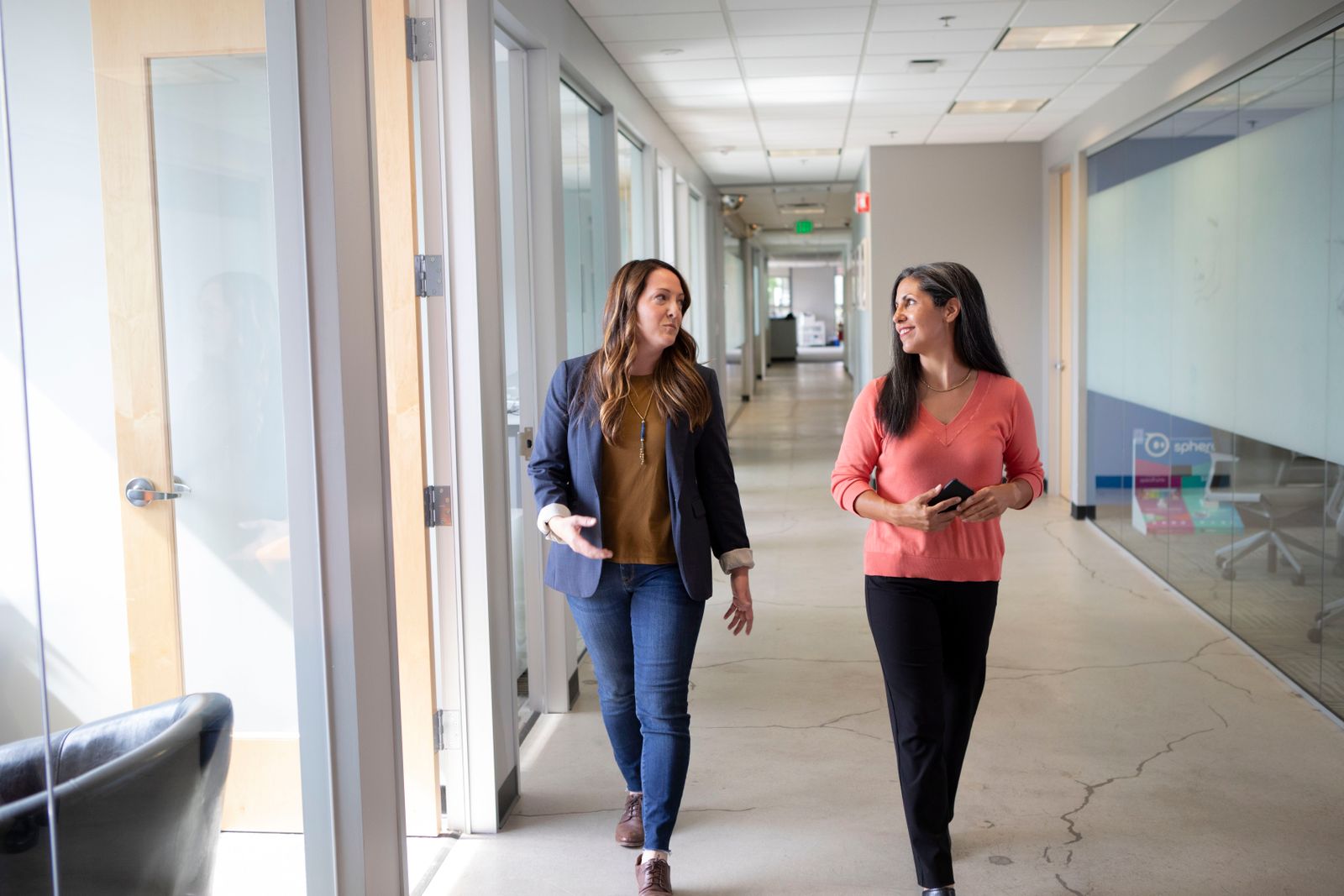
 With cooler months ahead in the UAE, some one-to-ones and check-ins can move outdoors.
1. Start with a simple assessment
Before buying anything, ask. A short anonymous pulse survey on discomfort (neck, shoulders, lower back, wrists, eyes), average daily sitting time and meeting load gives you a baseline. EU-OSHA places risk assessment at the heart of prevention. Where needed, involve an occupational health professional or a physiotherapist to review workstations and give personalised advice.
2. Redesign the meeting culture
Default to 25 or 50-minute meetings so people have a few minutes to stand and move between calls. Make standing or walking acceptable for one-to-ones and internal check-ins. From October to April, a short walking meeting outdoors is one of the easiest wins available in the UAE.
3. Build movement into the calendar, not the to-do list
Short, regular guided sessions work better than a one-off event. Ten to fifteen minutes of desk stretching, mobility or chair yoga during the workday, a weekly pilates or yoga class on site, or a monthly HIIT session gives employees a rhythm they can count on. Keep sessions accessible to every fitness level, and make it clear that joining is always optional.
4. Train people, not just workstations
The UAE healthcare study above found a strong link between missing ergonomics training and poor knowledge. A practical session on workstation set-up, screen height, posture resets and micro-breaks is low cost and high value, especially for new joiners and hybrid workers whose home set-up is often improvised.
5. Use the Dubai Fitness Challenge as a springboard
The Dubai Fitness Challenge invites residents to complete 30 minutes of activity a day for 30 days. It is a great moment to rally teams, but plan what happens on 30 November too. Use the month to test formats, collect feedback and choose two or three that will continue all year.
6. Let leaders go first
If managers never leave their desks, nobody else will. Ask leaders to block their own movement breaks, join sessions and talk openly about it. Small signals give everyone else permission.
The takeaway
Sedentary work is not dramatic, which is exactly why it gets overlooked. The evidence from the WHO, The Lancet Rheumatology and EU-OSHA points the same way: long, uninterrupted sitting and musculoskeletal pain carry a real cost for people and for organisations. The good news is that the response does not require a big budget. It requires rhythm, culture and a few well-chosen habits that last longer than a single challenge month. Anyone dealing with persistent pain should, of course, be encouraged to consult a qualified health professional.
At Safe to Grow, we believe wellbeing at work is something you nurture all year round. Our Corporate Wellbeing programs bring pilates, yoga, HIIT, chair massage and stress management sessions into your offices across the year, with packs of 3, 6 or 12 workshops you can spread as you wish. If you would like to get your desk teams moving beyond November, let's talk.
Sources
- World Health Organization: Nearly 1.8 billion adults at risk of disease from not doing enough physical activity (2024)
- World Health Organization: Physical activity fact sheet
- World Health Organization: Musculoskeletal health fact sheet
- The Lancet Rheumatology study on the global burden of low back pain, via Scimex (2023)
- EU-OSHA: Prolonged static sitting at work, health effects and good practice advice
- Middle East Journal of Rehabilitation and Health Studies: Musculoskeletal disorders among UAE healthcare professionals (2024)
- Khaleej Times: UAE doctors warn of 'tech neck' and back pain from prolonged screen use
- Khaleej Times: UAE employees prioritise health and wellbeing over office perks (September 2026)
- Khaleej Times: Dubai Fitness Challenge 2026 dates announced
<small>Photos: LinkedIn Sales Navigator, RDNE Stock project and Kindel Media on Pexels.</small>
Sources
- https://www.who.int/news/item/26-06-2024-nearly-1.8-billion-adults-at-risk-of-disease-from-not-doing-enough-physical-activity
- https://www.who.int/news-room/fact-sheets/detail/physical-activity
- https://www.who.int/news-room/fact-sheets/detail/musculoskeletal-conditions
- https://www.scimex.org/newsfeed/in-2050-over-800-million-people-globally-estimated-to-be-living-with-back-pain
- https://osha.europa.eu/en/themes/musculoskeletal-disorders/practical-tools-musculoskeletal-disorders/prolonged-static-sitting-work-health-effects-and-good-practice-advice
- https://brieflands.com/journals/mejrh/articles/148302
- https://www.khaleejtimes.com/lifestyle/health/uae-doctors-warn-of-tech-neck-back-pain-due-to-prolonged-exposure-to-screens
- https://www.khaleejtimes.com/jobs/uae-jobs-employees-health-insurance-flexible-work-office-perks
- https://www.khaleejtimes.com/uae/dubai-fitness-challenge-2026-dates-announced
Ready to invest in your people?
Get a quote →